
Attribution
Attribution models
The attribution models ThoughtMetric supports and how each one assigns credit.
What is an attribution model?
An attribution model is how you assign credit or value for sales and conversions across various customer touchpoints. It includes all your digital channels (paid search, display, email, social media, organic search, referrals) and the impact that each one has on the eventual conversion.
Supported attribution models
ThoughtMetric supports the four main industry-standard attribution models, as well as our proprietary multi-touch model:
- Multi-Touch (default)
- First Touch
- Last Touch
- Position Based
- Linear Paid
Multi-Touch
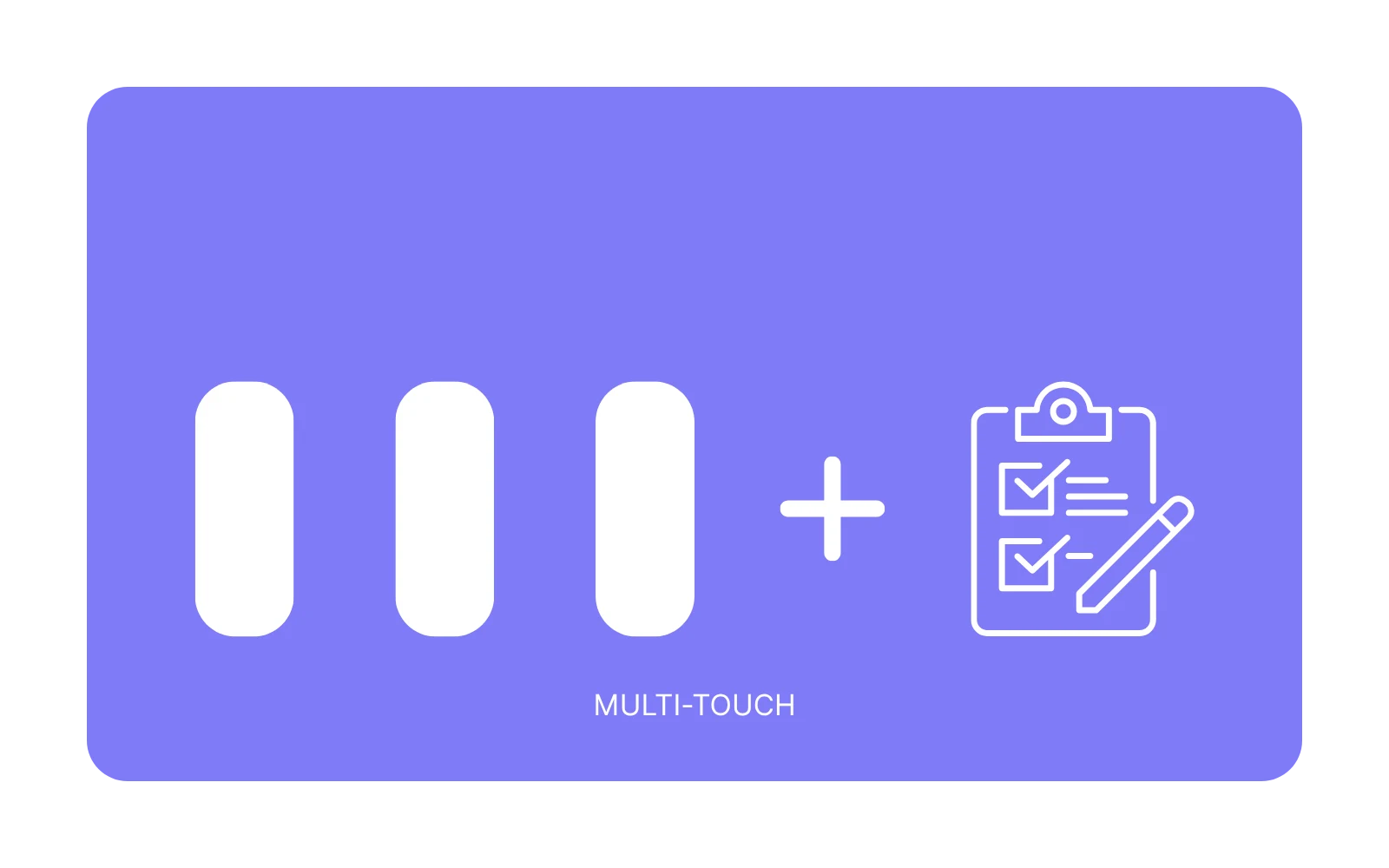
This is our proprietary data-driven attribution model. It is a multi-touch model, meaning that it splits credit across all of the marketing channels that influenced a sale. It is the default attribution model for ThoughtMetric and the one we recommend.
The multi-touch model takes many data points and factors into account when deciding which marketing channel deserves credit for a sale. It considers data from both the ThoughtMetric tracking pixel and the post-purchase "How did you hear about us?" surveys.
The multi-touch model is designed with the e-commerce customer journey in mind, to give you the most accurate and reliable understanding of how many orders are really coming from your various marketing platforms.
Facebook overreports its performance by taking too much credit for sales. For example, if a customer clicked on a Facebook ad on Monday, clicked on a Google ad on Tuesday, then made a $100 purchase on Friday, Facebook will claim full credit for the sale and report $100 in revenue, completely ignoring the fact that the customer also clicked on a Google ad. Likewise, Google Ads will also report $100 in revenue. So you have two ad channels reporting a total of $200 in revenue when you really only had one sale for $100.
This is where ThoughtMetric comes in. ThoughtMetric knows that the customer clicked on both the Facebook ad and the Google ad, and splits the credit for the sale between those two sources.
First Touch
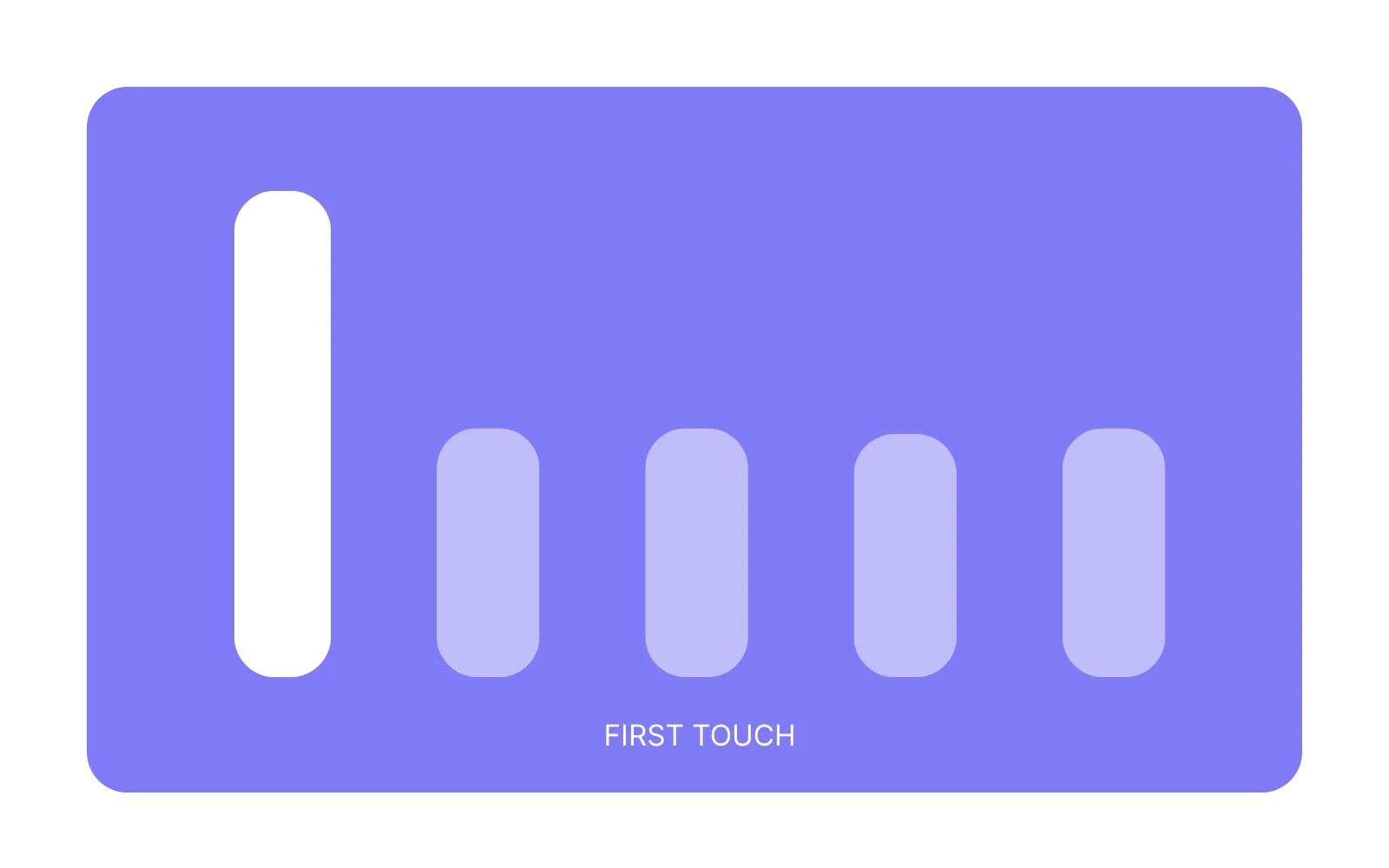
The first touch (sometimes called first click) model gives all the credit for an order to the first touchpoint in a conversion path. This is great for insight into how people find you and into the top of your funnel. However, it is limited in that it doesn't take any other customer touchpoints into consideration.
Last Touch
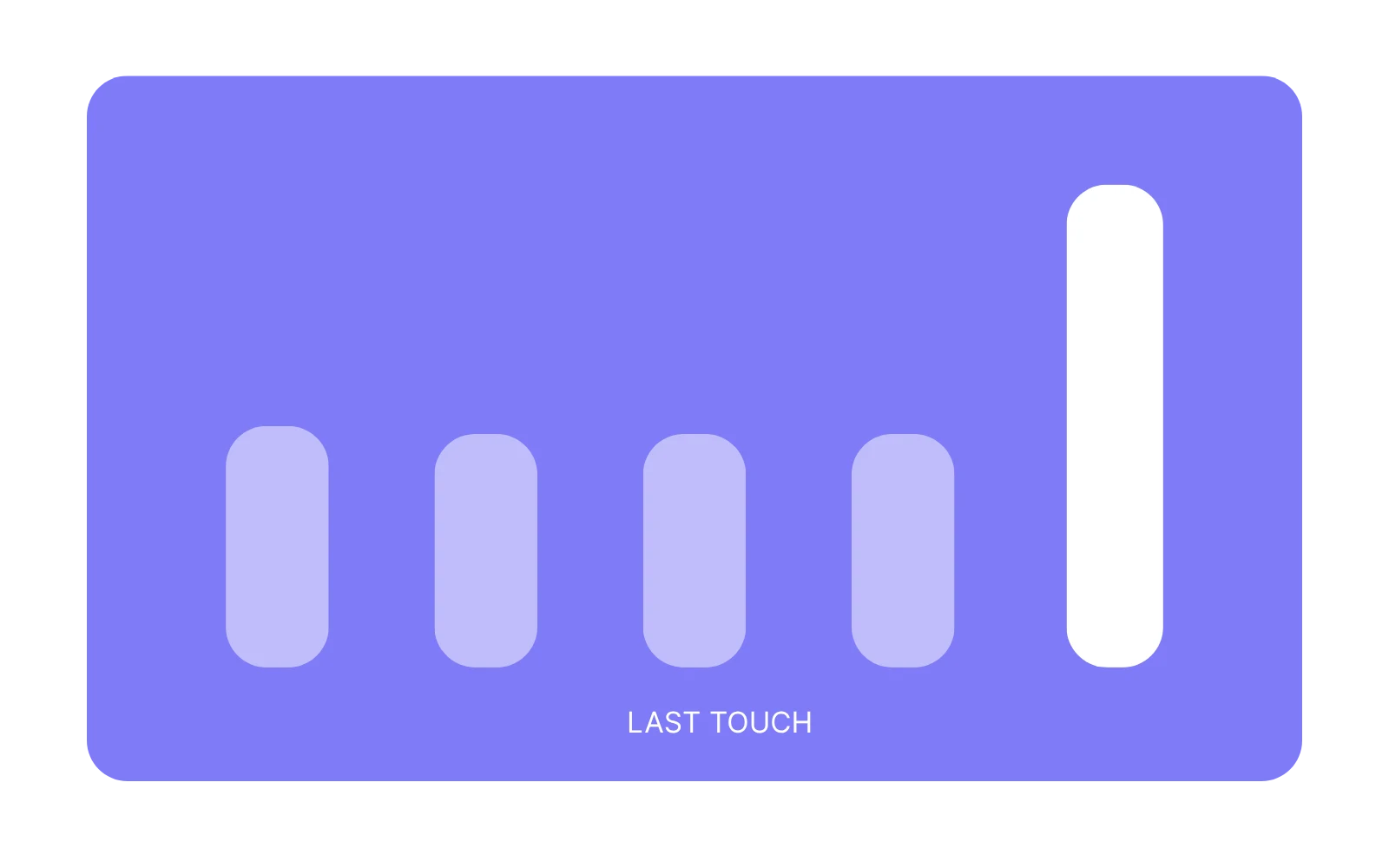
The last touch model gives all the credit for an order to the last touchpoint in a conversion path. It is a great way of looking at your bottom-of-the-funnel conversions, and gives you a clear look into which marketing touchpoints are the final piece of the puzzle in getting your customers to make a purchase.
Position Based
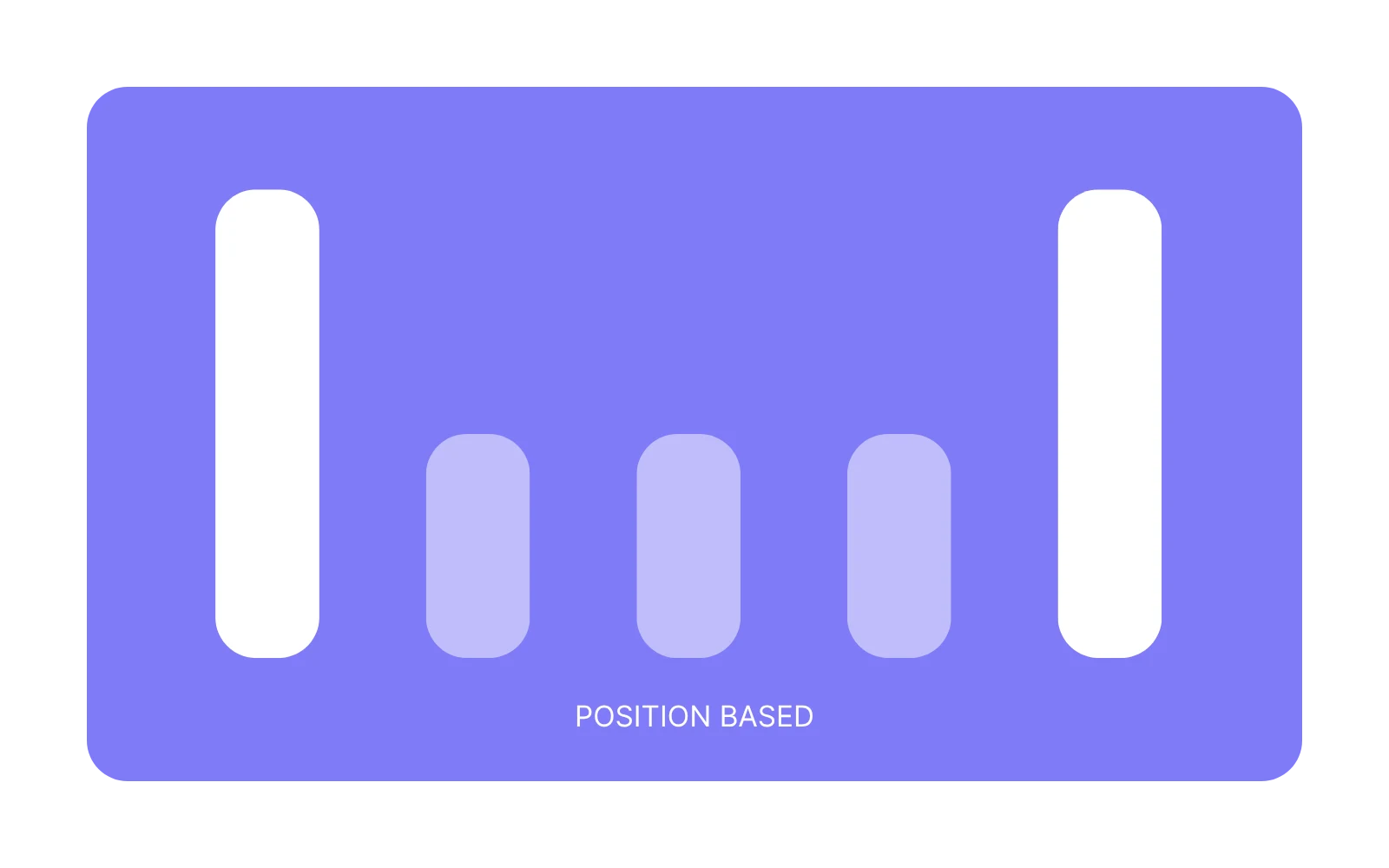
Position based attribution assigns 40% of the credit to the first touch, 40% to the last touch, and splits the remaining 20% across the remaining touchpoints.
This is a balanced model that gives more credit to the first and last touchpoints to represent the fact that those touchpoints are often the most important.
Linear Paid
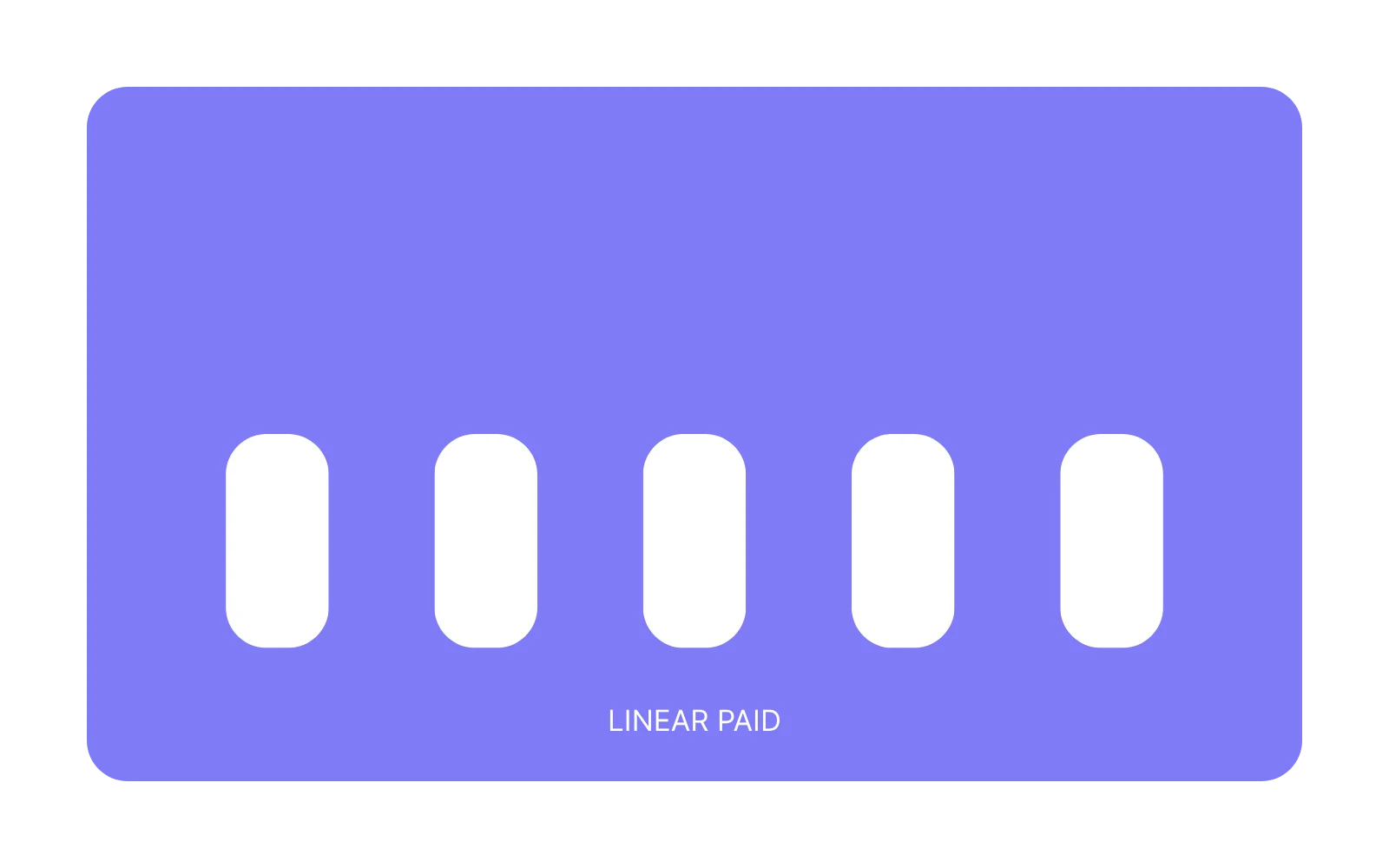
The Linear Paid attribution model gives equal credit to all touchpoints in the customer journey that involve paid media. Each interaction a consumer has with paid advertising, such as display ads, paid search, or social media ads, receives the same amount of credit for driving conversions or sales, regardless of its position in the funnel.
This model helps you understand the overall effectiveness of your paid media efforts. Every touchpoint is recognized for its contribution to the final conversion, making it a balanced approach for evaluating paid campaigns across the entire customer journey.